in seo practice, the u.s. multi-ip station group is adopted by some practitioners because of its ip dispersion and geographical positioning advantages. this article analyzes the usage tutorials and risk prevention and control of multi-ip station groups in the united states from an seo perspective, covering technology deployment, content strategy, link planning and compliance risk control, aiming to provide actionable guidance and precautions for webmasters and optimizers.
multi-ip site groups refer to the same operator deploying multiple independent sites or domain names in different us ip and host environments to improve coverage and weight transfer through geographical location, ip diversity and independent hosting. compared with traditional single stations, station groups emphasize isolation, natural traffic, and multi-source signals to avoid centralized risks.
the main purpose of using the us multi-ip site group is to enhance regional relevance, diversify external link sources and enhance risk resistance. proper deployment can improve local search presence, test different content strategies, and gain multiple organic traffic channels, but it must be premised on compliance and long-term value.
technical deployment must first prepare a combination of real us ip, independent hosting, and different asns or cloud service providers. avoid batching homologous ip segments, unifying whois information, or sharing obviously identical server fingerprints. these details directly affect search engines’ identification and classification of site groups.
dns configuration and cdn use should maintain site independence: each site uses different dns providers, different resolution records, and decentralized cdn strategies; domain names should choose diversified suffixes and registration information to avoid a large number of similar whois information exposing operator relevance.
content is king, and the long-term effectiveness of the website group comes from high-quality and differentiated content. each site should have independent themes, original articles, and different templates to avoid duplication or slight rewriting. gradually establish site authority through different scheduling and social signals to reduce algorithmic penalties caused by homogeneity.
the distribution of external links should simulate the real citation network: natural growth, diverse sources (industry sites, local directories, social media) and control the proportion of anchor text. avoid concentrating a large number of mutual links in a short period of time or deliberately manipulating private links. this type of behavior is easy to be identified by search algorithms and demoted.
search engines identify site manipulation behavior through signal correlation, behavioral patterns and manual verification. common penalties include demotion, index removal, and severe site-wide domain name filtering. monitoring traffic anomalies, ranking fluctuations and crawling frequency can identify potential problems in advance.
prevention and control strategies include ip fingerprint isolation, time-sharing content release, maintaining high-quality originality, and establishing legitimate external link acquisition channels. at the same time, we cooperate with log monitoring, compliance submission of sitemap and search console, and adopt a site-by-site independent reporting strategy when necessary to reduce the risk of joint penalties.
the us multi-ip station group can be used as a supplement to seo strategy if it is legal and compliant and operated with caution, but the core is still high-quality content and user value. it is recommended to be oriented towards long-term results, gradually test and quantify returns, avoid short-term speculation and large-scale automated operations, and take into account both effects and risk control.
- Latest articles
- Why Do E-commerce And Video Platforms Need Japanese Native IP Websites To Ensure A Good Experience?
- Survival Strategies And Differentiated Service Explorations For Small And Medium-sized Vendors In The U.S. Server Hosting Industry
- How To Quickly Raise The Entry-level Salary Tier Of Hong Kong IDC Data Centers Through Certificates And Project Experience
- A Practical Guide To Comparing Malaysian Cloud Server Price Lists For Different Models And Bandwidth Options
- Where To Buy Taiwan Native IPs With Legal And Compliant Buying Guides
- Which Cloud Server In Vietnam Is A Good Case, Sharing Best Practices And Implementation Experiences Across Different Industries
- Gaming Industry Special Edition: Thailand Acceleration Server Rankings And Player Experience Report
- IP Reputation And Blacklist Risk Management When Choosing Hong Kong Multi-IP Server Hosting
- How Cross-border Developers Can Choose A German VPS Hosting Solution That Is Compliant And Supports GDPR
- In-depth Analysis Of The Pros And Cons Of Hong Kong Server CN2 And A Guide For Small And Medium-sized Enterprises To Buy
- Popular tags
-
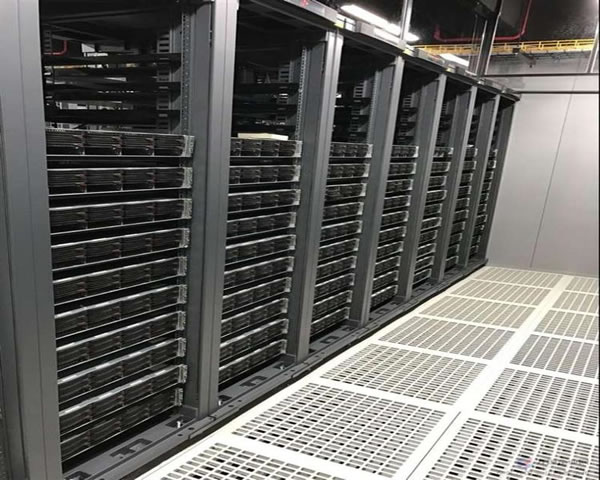
Analysis Of Why Server Hosting In U.S. Cera Data Centers Has Become A Preferred Node For Content Distribution
Analyze the advantages of hosting servers in U.S.-based CERA data centers for content distribution, covering key factors such as network connectivity, latency, bandwidth, security compliance, scalability, and operations maintenance, while providing recommendations for node selection optimized for SEO and GEO considerations. -

How To Evaluate The Real Defense Logs And Traceability Capabilities Of Us High-defense Servers After A Website Is Attacked
after the website is attacked, how to evaluate the real defense log and traceability capabilities of the us high-defense server: log acquisition, integrity verification, correlation analysis, network and application layer evidence, compliance and forensic recommendations. -

How To Set The Us Server Warning Threshold And How To Deal With False Alarms
this article details how to set early warnings for us servers, including threshold setting principles, business and region-based settings, dynamic threshold strategies, and false alarm cause analysis and processing procedures, providing best practices that can be implemented.